
Energy Security, Volatile Markets and the Case for Electric Heating in the UK

The UK energy landscape is once again being shaped by global events. Over the past two weeks, escalating tensions in the Middle East have triggered significant increases in global oil and gas prices, sending shockwaves through wholesale energy markets. While the geopolitical situation continues to evolve, one thing is already clear: the UK’s long-standing dependence on fossil fuels for heating leaves UK households exposed to international instability.
For homeowners, landlords, and housing providers, this renewed volatility highlights an important question: how can we reduce exposure to global fossil fuel markets while maintaining reliable, affordable heating?
One increasingly compelling answer is direct electric heating, particularly electric boilers and electric radiators. While electricity prices have also risen in recent years, they have not followed the same dramatic spikes as wholesale gas during geopolitical crises. As a result, electric heating is becoming not just a decarbonisation solution, but also a pathway toward improved energy security.
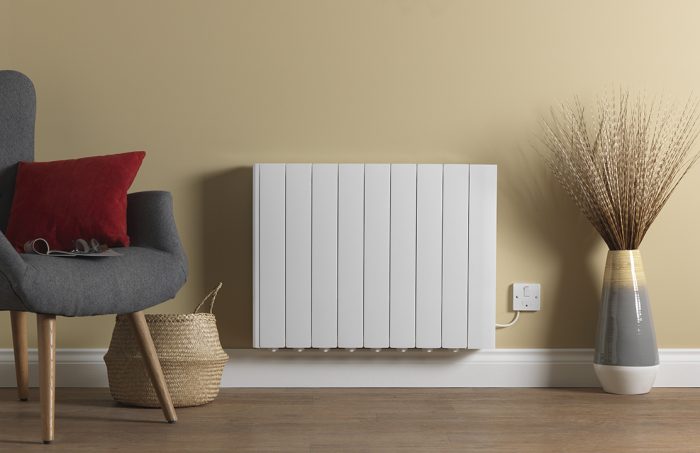
For organisations and homeowners considering their heating choices today, the discussion is no longer just about carbon reduction — it is also about resilience, predictability, and independence from global gas markets.
Despite major progress in renewable electricity generation, the UK remains heavily reliant on natural gas for heating. Around 85% of homes are heated by gas boilers, making the UK one of the most gas-dependent heating markets in Europe.
This reliance creates a structural vulnerability.
The UK’s Exposure to Global Gas Markets
Natural gas prices in the UK are largely determined by international wholesale markets. When geopolitical tensions disrupt supply — whether through conflicts, sanctions, or transport disruptions — prices respond quickly. These changes feed through into energy bills for households and businesses. While the Ofgem energy price cap system means that homeowners will not see an increase in gas and electricity prices until 1st July 2026, if wholesale prices remain high as is projected, homeowners are likely to see significant increases in their gas bills from 1st July onwards, and also some increase in electricity bills.
The recent rise in oil and gas prices following instability in the Middle East is just the latest example of this pattern. Similar spikes were experienced during the 2021–2022 global energy crisis and again during Russia’s invasion of Ukraine.
In each case, the root issue has been the same: heavy reliance on fossil fuels exposes heating costs to global events that consumers cannot control.
Electric heating offers a fundamentally different proposition.
Electricity Prices Are Influenced by Different Factors. Electricity markets are certainly not immune to price pressures, but their underlying drivers are more diverse.
The UK’s electricity supply now comes from a wide mix of sources including:
Wind generation, Solar power, Nuclear energy, Hydroelectric power, Biomass, Interconnectors with Europe, and Gas-fired generation.
This diversified energy mix means electricity prices are influenced by a broader range of factors than gas alone.
Over the past decade, the UK has rapidly expanded renewable electricity generation. Wind power, in particular, has become one of the country’s largest sources of electricity. Renewable generation has very low marginal costs once installed, meaning that increasing renewable capacity can help stabilise electricity prices over time.
As the electricity system continues to decarbonise, the long-term outlook for electricity pricing becomes increasingly linked to domestic renewable resources rather than imported fossil fuels.
This transition is already underway, and it fundamentally changes the conversation around electric heating.
Direct Electric Heating and Energy Security
When we talk about energy security, we usually think about national energy systems. But energy security is equally relevant at the household level.
For homeowners and landlords, energy security means:
– Predictable heating costs
– Reduced exposure to global fuel price shocks
– Reliable heating infrastructure
– Long-term compatibility with the UK’s energy transition
EHC Electric boilers and electric radiators offer several advantages in this context.
Firstly, electric heating systems do not rely on gas infrastructure. There is no dependence on gas pipelines, storage facilities, or international LNG supply chains.
Secondly, electricity can increasingly be generated domestically from renewable sources. Wind farms in the North Sea, solar farms across the UK, and new nuclear capacity all contribute to a more resilient electricity system.
Finally, electric heating aligns directly with the UK’s long-term decarbonisation strategy. As the electricity grid becomes cleaner, the carbon intensity of electric heating continues to fall automatically.
This means that installing an electric boiler today is effectively future-proofing heating against the energy system of tomorrow.
The Simplicity and Efficiency of Electric Boilers
Electric boilers are also appealing because of their inherent simplicity.
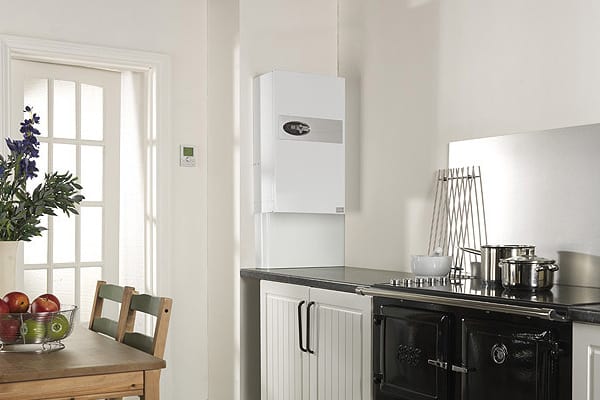
Unlike gas boilers, electric boilers do not burn fuel. Instead, they convert electricity directly into heat through electric heating elements. This process is extremely efficient — 100% at the point of use.
Because there is no combustion process, electric boilers do not produce:
– Carbon monoxide, Nitrogen oxides, Flue gases, particulate emissions
This eliminates the need for flues, gas pipes, or combustion ventilation systems.
The result is a heating system that is compact, quiet, and easier to install in many properties, particularly flats, apartments, and buildings without access to a gas supply.
Maintenance requirements are also typically lower, as electric boilers contain fewer moving parts and no combustion components.
Stability in an Uncertain World
One of the most powerful arguments for electric heating today is stability.
Global fossil fuel markets are inherently volatile. Political tensions, supply disruptions, shipping constraints, and market speculation can all cause rapid price changes.
These fluctuations can happen quickly and unpredictably, leaving households exposed to rising heating costs.
Electric heating, by contrast, benefits from the gradual and steady expansion of renewable electricity. As wind and solar capacity increases, the marginal cost of producing electricity declines.
While electricity prices will still vary, the long-term trend points toward greater stability as renewable generation grows.
For consumers making long-term investments in heating systems, this stability matters.
Heating systems typically last 10–20 years. Choosing a technology that is aligned with the future energy system reduces the risk of being locked into outdated infrastructure.
The Role of Electric Boilers in the Heating Mix
It is important to recognise that no single heating technology will suit every property.
Heat pumps, district heating networks, hydrogen-ready boilers, and hybrid systems all have potential roles to play in the UK’s transition to low-carbon heating.
However, electric boilers occupy an important and often overlooked niche.
They are particularly well suited for:
– Flats and apartments
– Properties without access to gas
– Smaller homes with moderate heat demand
– Retrofit situations where heat pumps may be difficult to install
– Buildings with space constraints
Electric boilers also integrate easily with existing wet central heating systems, allowing radiators and pipework to remain in place.

This makes them a practical replacement option for many homes currently using gas boilers, especially where alternative technologies are impractical.
A Shift in How We Think About Heating
For decades, gas heating has been seen as the default choice in the UK.
But the events of recent years — from the global energy crisis to geopolitical tensions affecting fossil fuel supply — have shown that this assumption may no longer hold.
Energy systems are changing rapidly.
Renewable electricity generation continues to grow, electrification is accelerating across sectors, and governments are implementing policies designed to reduce dependence on fossil fuels.
In this context, electric heating is no longer a niche solution. It is part of a broader transformation in how energy is produced and consumed.
Consumers are beginning to recognise that electrification offers not only environmental benefits, but also greater resilience against global energy shocks.
Looking Ahead
The recent rise in oil and gas prices serves as a reminder that the UK’s energy future cannot rely on volatile fossil fuel markets.
For homeowners, landlords, and housing providers, the decisions made today about heating systems will shape energy costs and environmental impact for years to come.
Electric boilers and electric radiators represent a practical, proven, and increasingly attractive alternative to gas heating.
Give us a call on 01698-820533 or e mail info@electric-heatingcompany.co.uk and we can talk you through the right electric boiler or electric radiators options for your home.

Comments are closed here.